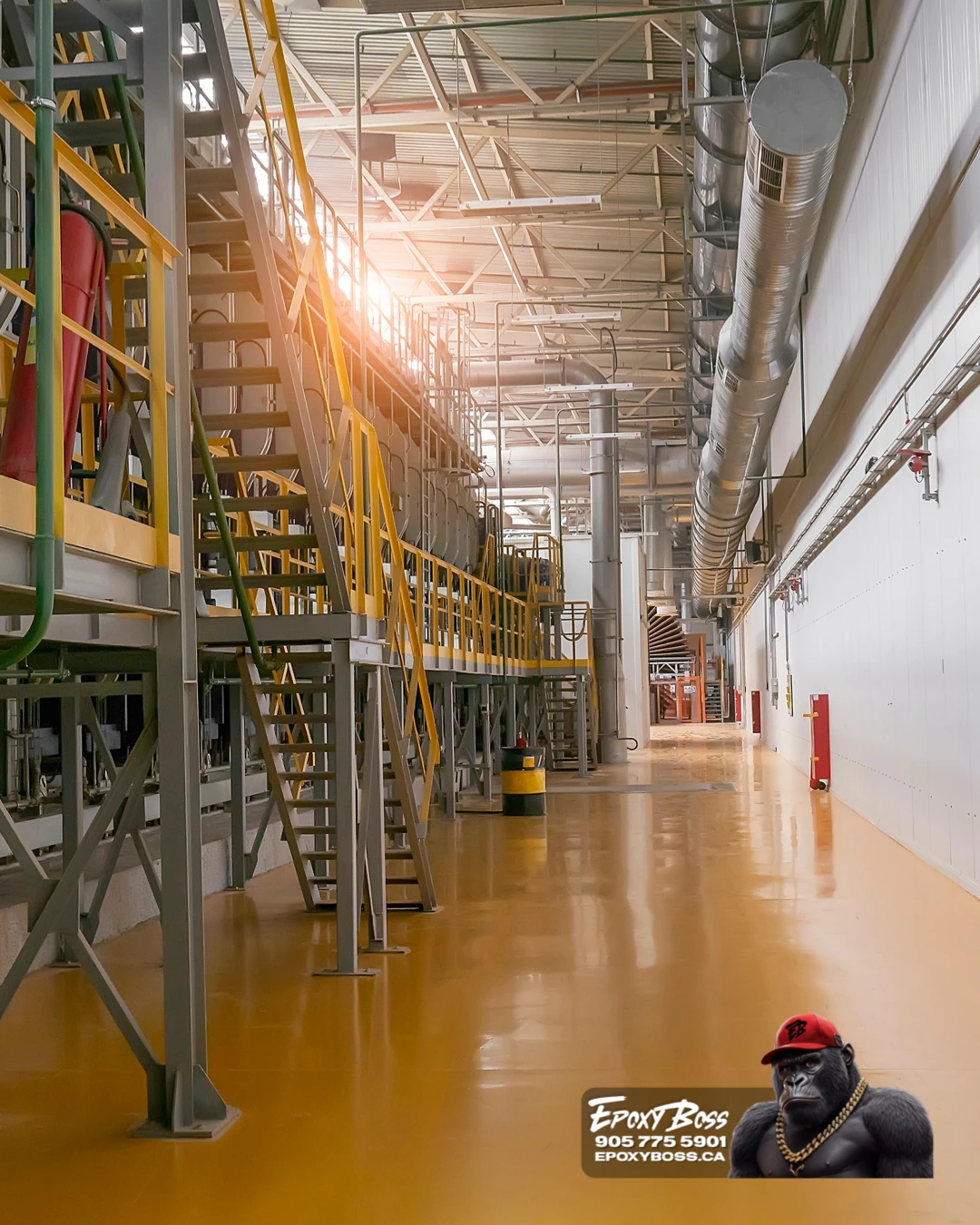
At Epoxy Boss, we bring the same precision to industrial flooring that manufacturers bring to production. We conduct RH and CSP testing, follow manufacturer-approved installation specs, and deliver complete system documentation, safety data sheets, and maintenance manuals with every project. Our crews are trained for industrial environments, equipped to work around active operations, and available for overnight or weekend installations to minimize downtime. Each project is backed by a written warranty, compliance report, and ongoing support for facility maintenance teams.
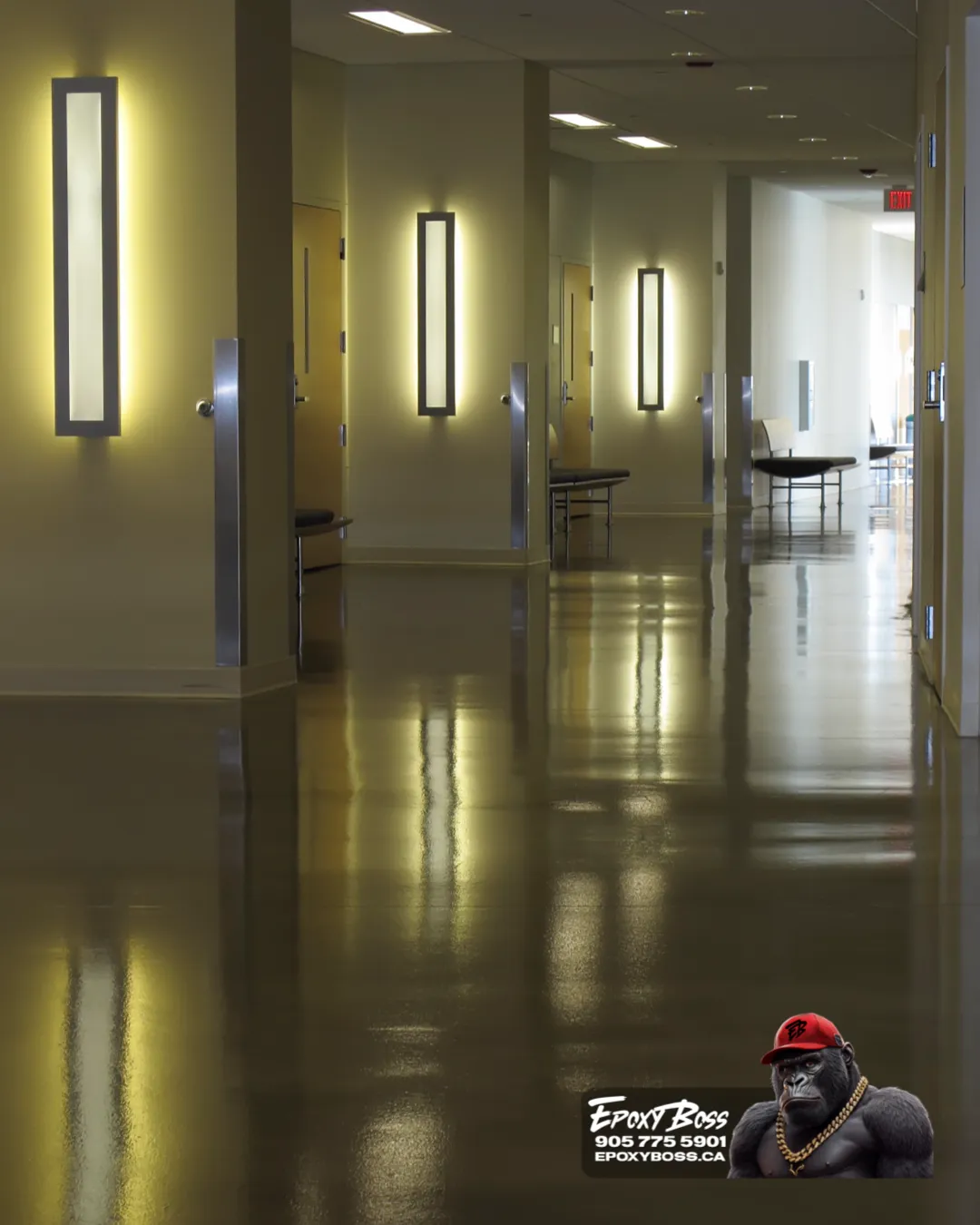
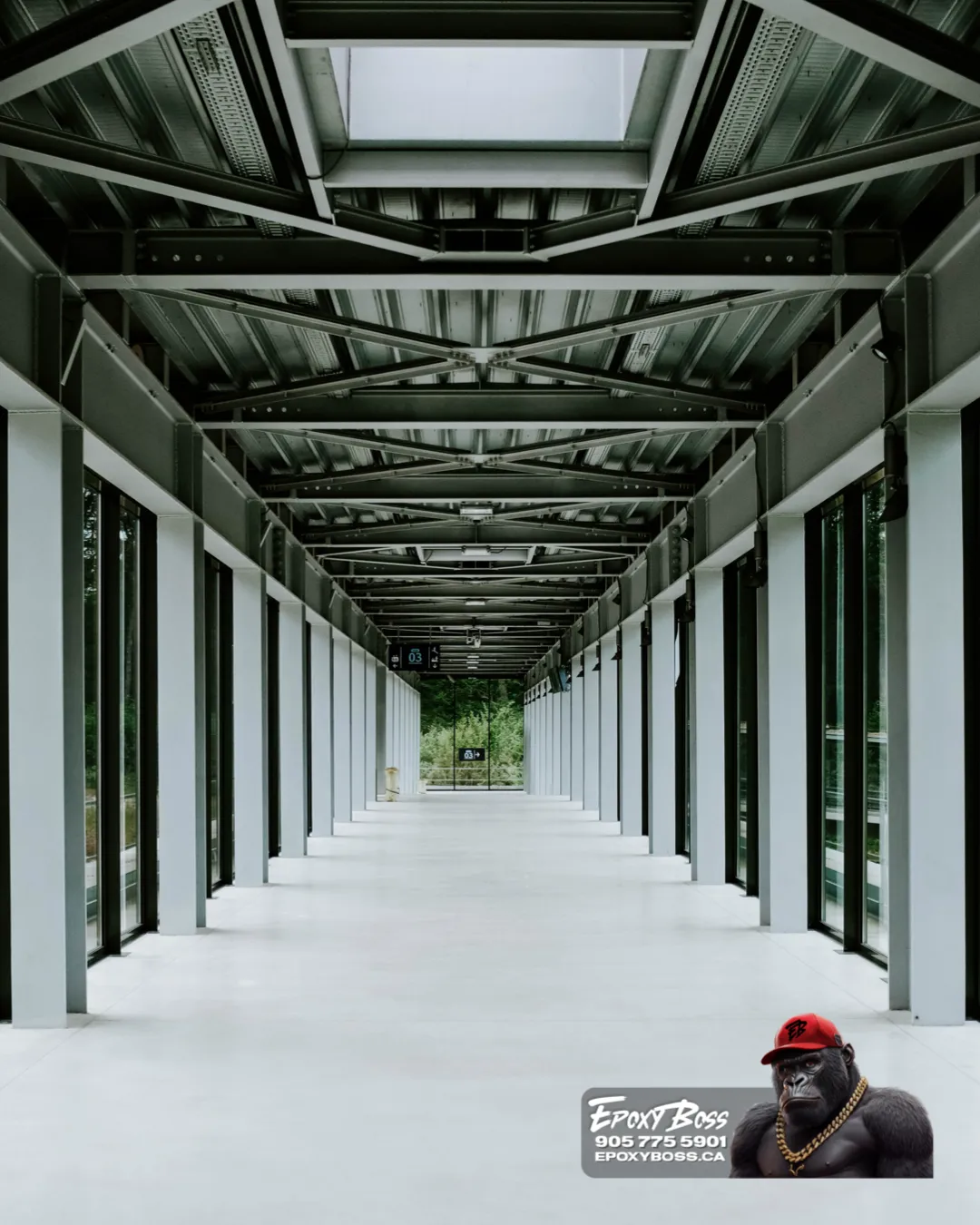

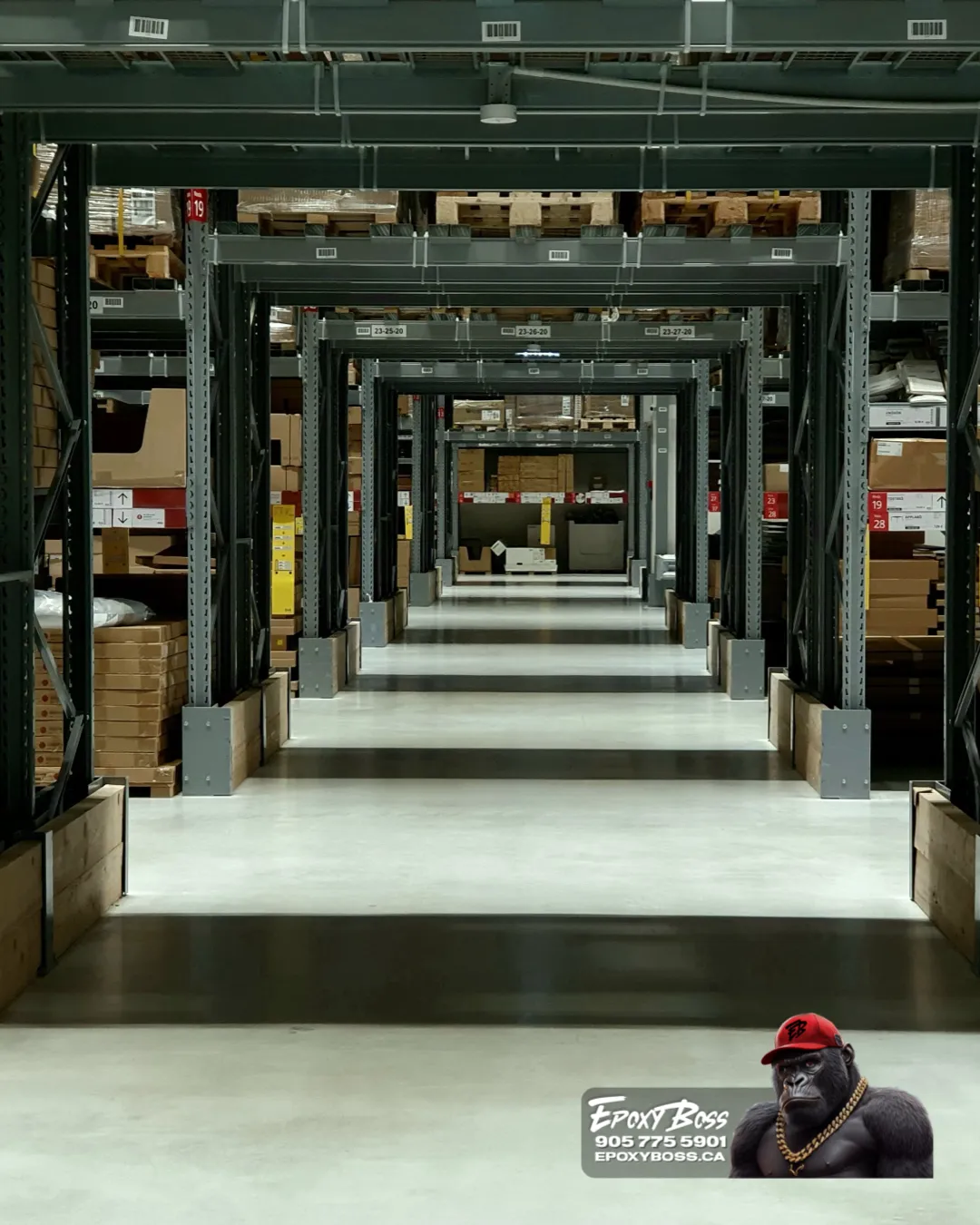
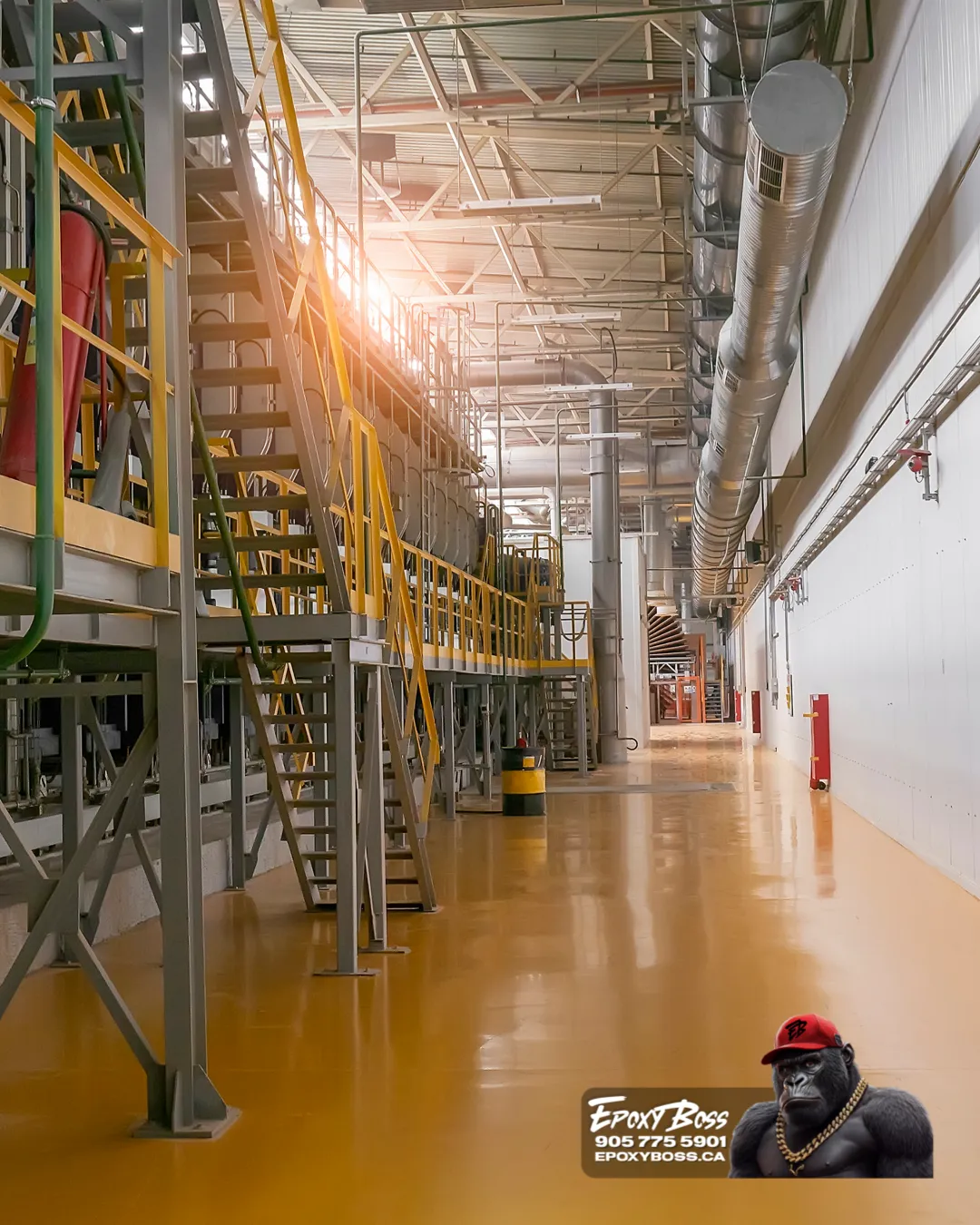
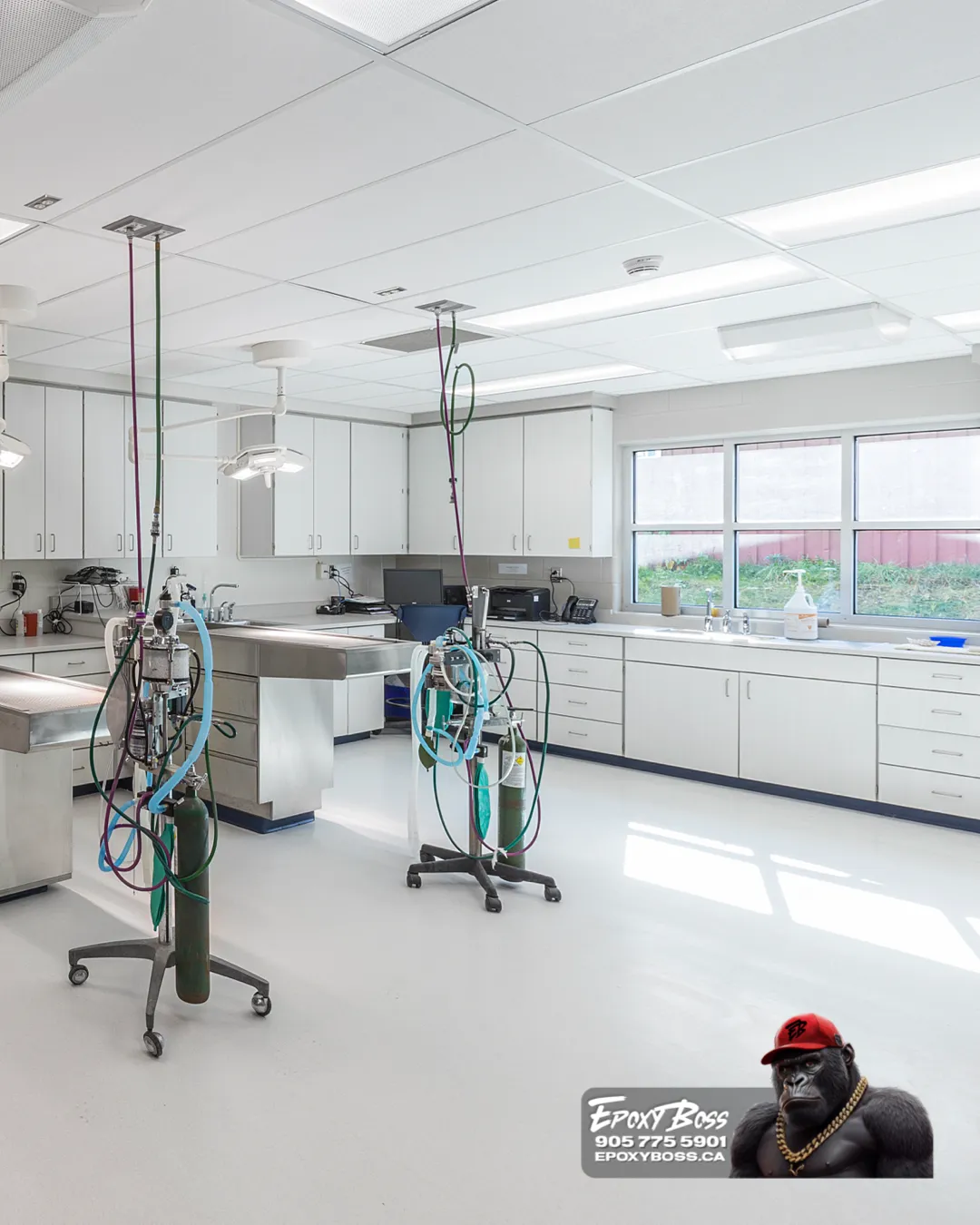
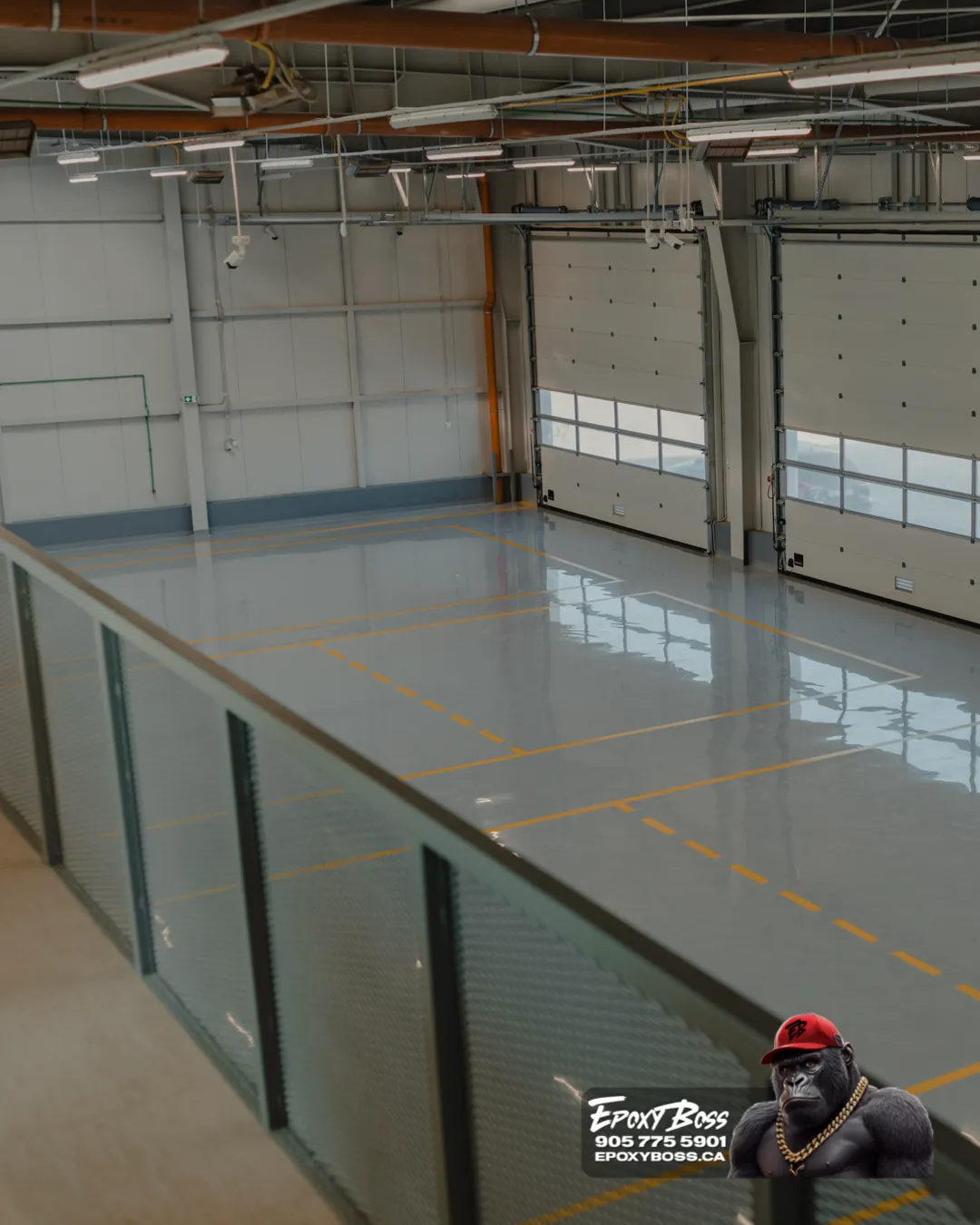
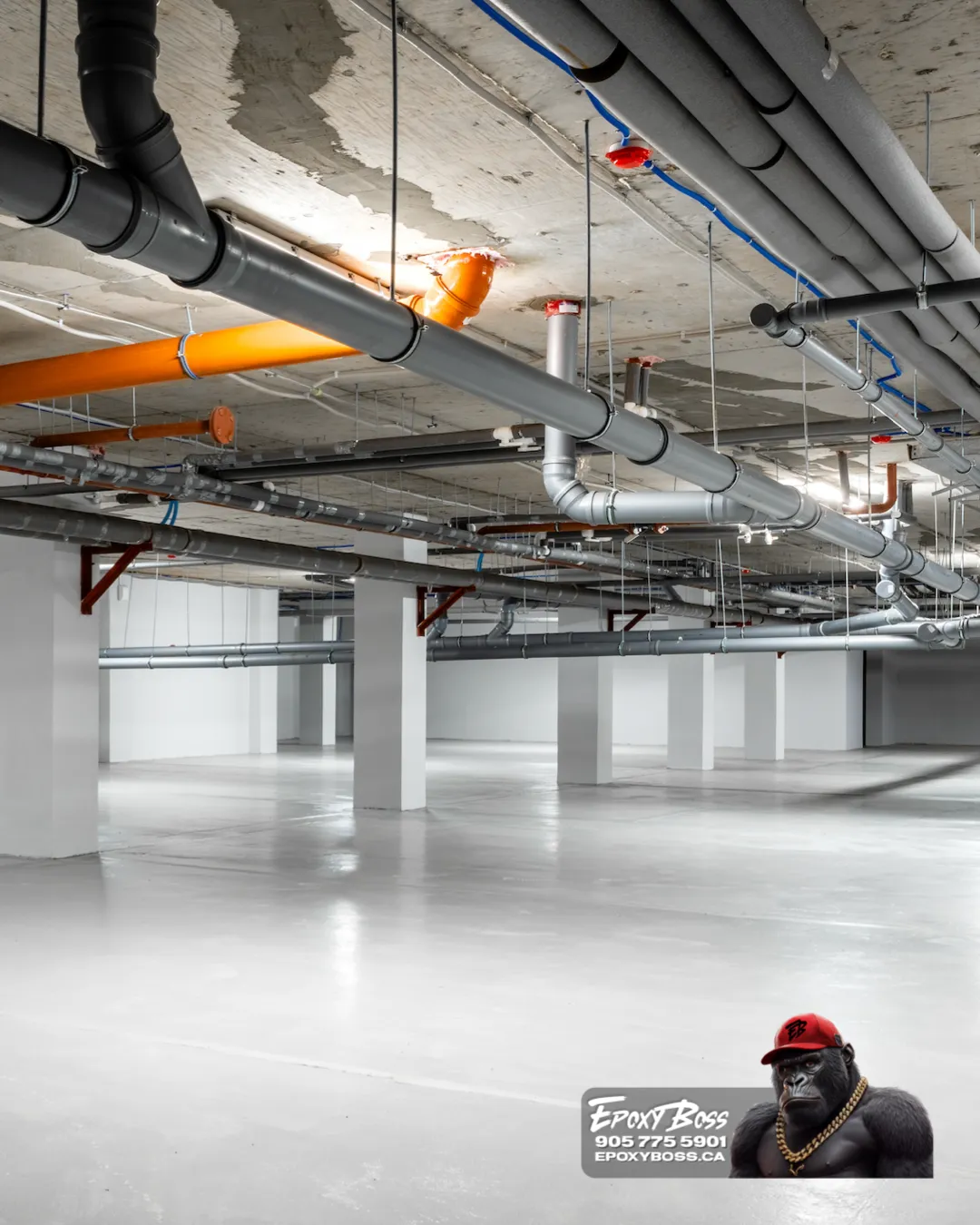



Q: Are Epoxy Boss industrial floors compliant with Ontario codes and safety standards?A: Yes. All Epoxy Boss industrial systems are installed to meet or exceed the Ontario Building Code (OBC), Occupational Health & Safety Act (OHSA), and CSA A23.1/A23.2 concrete preparation standards. For specialized environments, such as food processing, pharmaceutical, or cleanrooms, we also follow CFIA, HACCP, and ISO cleanroom requirements to ensure full compliance and audit readiness.
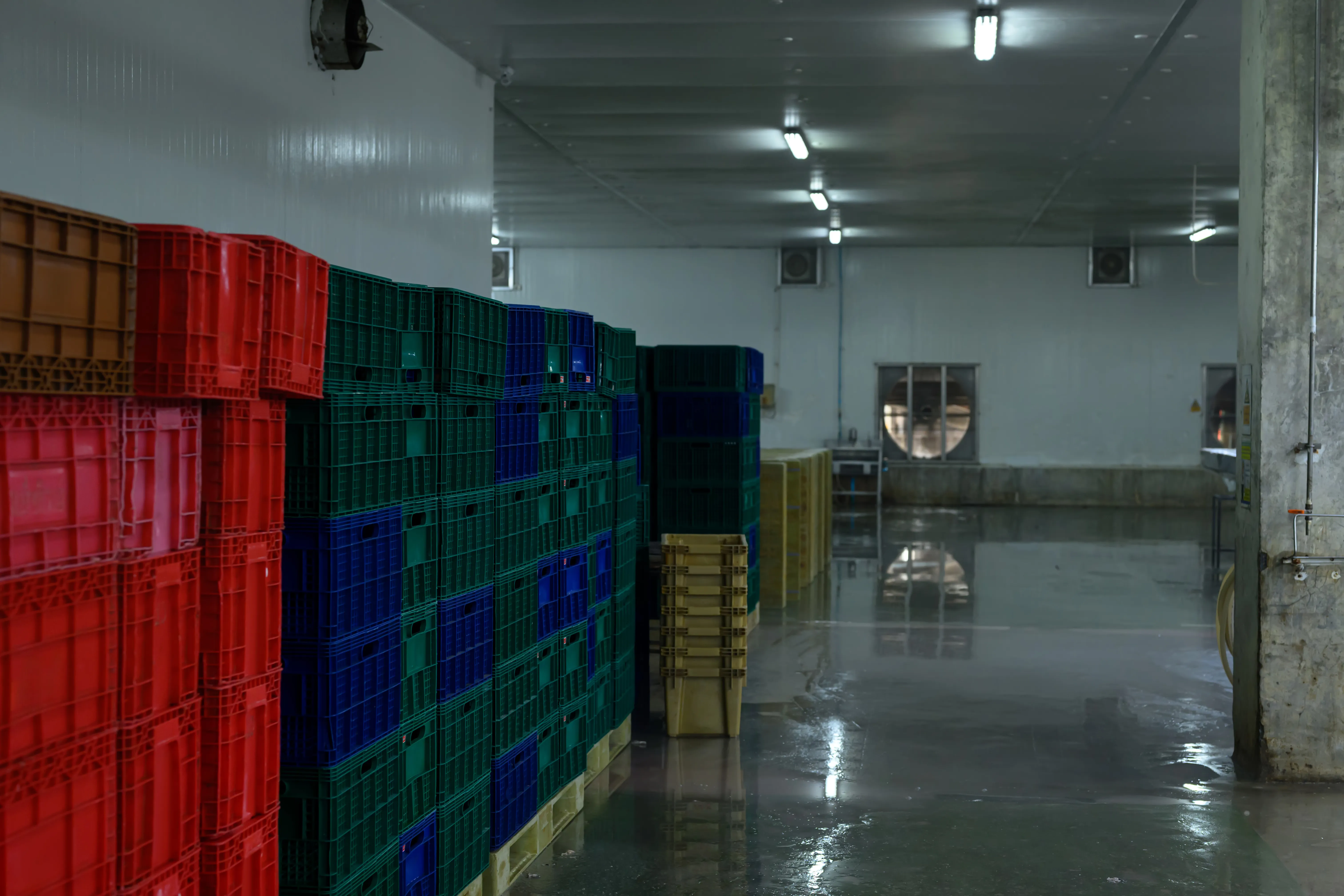
Q: Which flooring systems are best for food and beverage processing facilities?A: We recommend urethane cement and quartz epoxy systems, which are CFIA-approved, HACCP-compliant, and resistant to thermal shock, steam cleaning, and organic acids. These systems are non-porous, seamless, and safe for wet washdown zones, bottling lines, and prep areas, ensuring compliance with Ontario Regulation 493/17 for food premises.
Q: Can epoxy or urethane floors withstand freezing temperatures in cold storage environments?A: Yes. Our urethane mortar and polyaspartic hybrid coatings are designed for temperature-controlled environments — from -30°C cold rooms to fluctuating warehouse conditions. They maintain adhesion and flexibility under freeze–thaw cycles and meet ASTM C884 standards for thermal compatibility.
Q: How much weight can industrial epoxy floors support? A: Industrial epoxy systems from Epoxy Boss can handle compressive strengths from 8,000 to 14,000 PSI, easily supporting forklifts, heavy racking, and machinery. For extreme load environments, we use urethane mortars reinforced with quartz aggregate for maximum impact resistance and dimensional stability.


.webp)

.webp)